Category Archives: Ranger’s Reports

Rangers Report | August 2026

Big-5 flexes and Smokey horizons

The month of August has been dominated by flames and smoke. The reserve conducted extensive controlled veld burns across the central to eastern regions. These annual block burns are incredibly important to the vegetative health of the reserve and the progression stages of grasses. Within days, we have seen new green shoots coming through and these are attracting selective grazers and interesting birds into these spaces. With rain on its way soon, our reserve is sure to transform into a green wonderland before you know it.

It’s no surprise to anyone that the weather has been a little peculiar this year. In the second
week of the month our country experienced extremely cold conditions across eight of the nine provinces and we were wondering if any snow would end up falling on the reserve. It seemed to be snowing all around us, and while conditions on Nambiti were icy and wet, the snow stayed away. It was really awesome to look across at the Drakensberg mountains and see them covered in white snow for a few days. It is also interesting to mention that we haven’t really experienced the blustery winds associated with August, but they may just be delayed a few weeks. You never know.

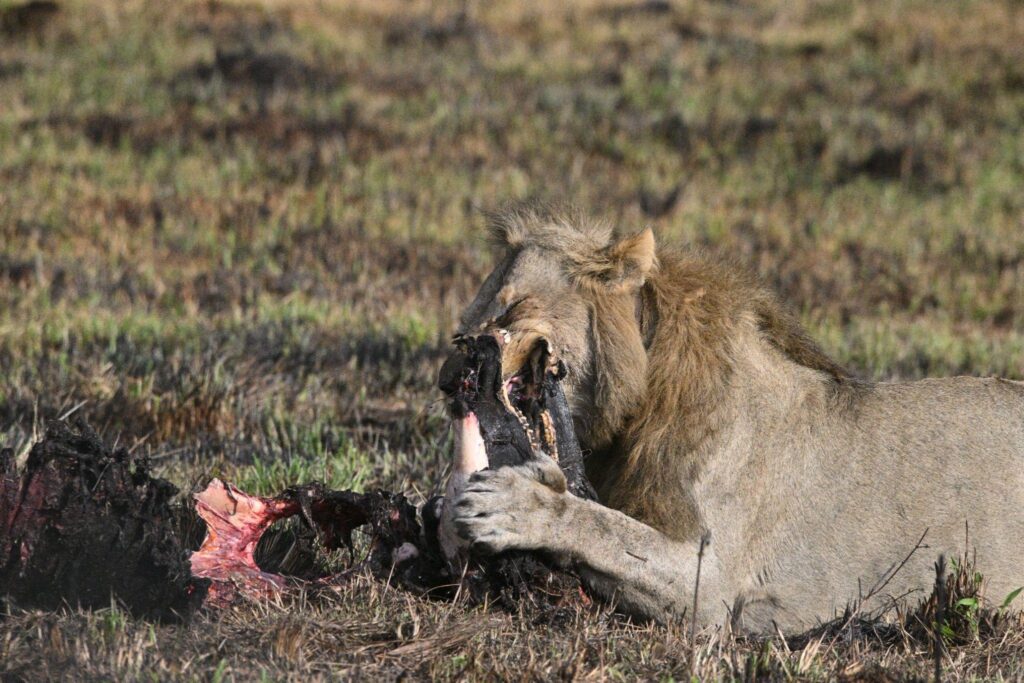
Our nation celebrated Women’s Day on the 9th of August, but it was the male lions that stole the show on game drive. We responded to an established lion sighting where the two new male lions had been found and it was reported that there were some intense vocalisations echoing across the plains in the northeast. As we made our way into the area, we happened upon our dominant male. He was highly mobile, visibly distressed and physical injuries were showing on his body. Coming from east of his location were the younger males, and they were on a serious mission to catch up with the king. We stayed to observe as much as we could before making space for other guides to come in and share in the experience, but after stopping for coffee at the waterfall the radio updates confirmed that they were still hot on his heels. I asked for another standby, but by the time we got to their location the big male had made his escape and the warming temperatures had forced the younger males into the shade for the rest of the morning. Two days later, the new males were called in on the road below our lodge. They had taken down a kudu for breakfast but were now more interested in territorial activities and the southern lionesses who were in the vicinity. At this time we observed that the lionesses were not in the least interested in the younger lions and actually made every effort to avoid them. Then, just two weeks later, the southern lionesses and the coalition of new males were found together on Ziggy north corner. They were out in the open and it was clear that the moves had been made and the transfer of power was firmly underway.

The Big-5 flexes continued into the third week. I was exploring some of the burnt sections of the reserve one afternoon when a leopard was called in at the bottom of Den Road. On this specific afternoon, I turned to my guests and filled them in on what I had heard over the radio. The decision was unanimous, we were throwing caution to the wind and finding the fastest route to the rosetted pot of gold. Once we were within range I called for a standby and within 30 minutes we were sitting with a male leopard. The visuals were not perfect as he was hidden behind a guarrie bush on a rocky ledge, but the experience was very rewarding! All three of the Umzolozolo guides out on drive responded to the sighting and it was the talk of the town when we returned to the lodge in the evening!

Our elephant herd has been quite mobile between the central and southern regions. They, like other herbivores, have been drawn into the recently burnt areas to investigate the ash and lingering scents as they assess what has changed. They may even be seeking out charcoal, which can provide minerals and help neutralise natural toxins from some of the plants they eat. It is an impressive sight to watch the grey giants moving swiftly through the ash, and it offers excellent photographic opportunities. Our newest member of the herd is now eight months old and full of sass. He is a popular tourist attraction and his curious nature and feisty character make for great entertainment!

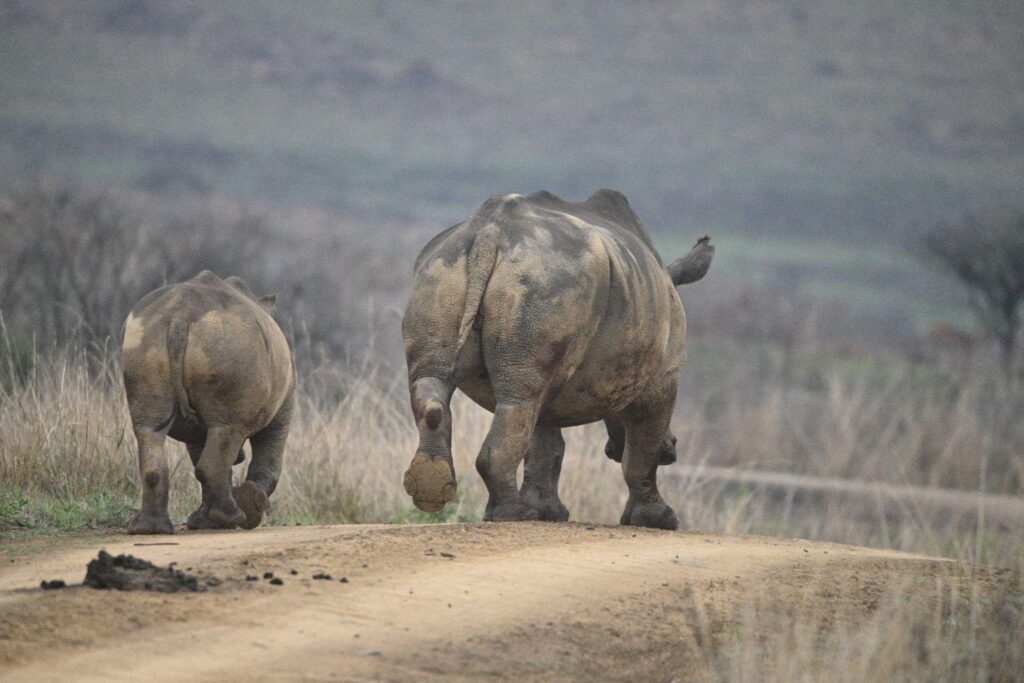
In June this year, guests at Umzolozolo participated in a black rhino dehorning event. The bull that we dehorned featured in one of the most amazing black rhino sightings we have ever experienced on the reserve. More in terms of quality time and opportunity for sharing knowledge about these infamous creatures than anything extraordinary. As many of our guests know, we don’t call any sightings of rhinos in on the radio, so if you don’t drive in the right areas at the exact right time, you usually miss them. As luck would have it, this sighting was a busy one because he popped up close to the elephant herd. Guides that were on standby for the elephants had the privilege of sitting with the black rhino! August was actually a fantastic month for black rhino sightings, I logged 10 separate encounters, including a very special moment with Torpedo and her calf.

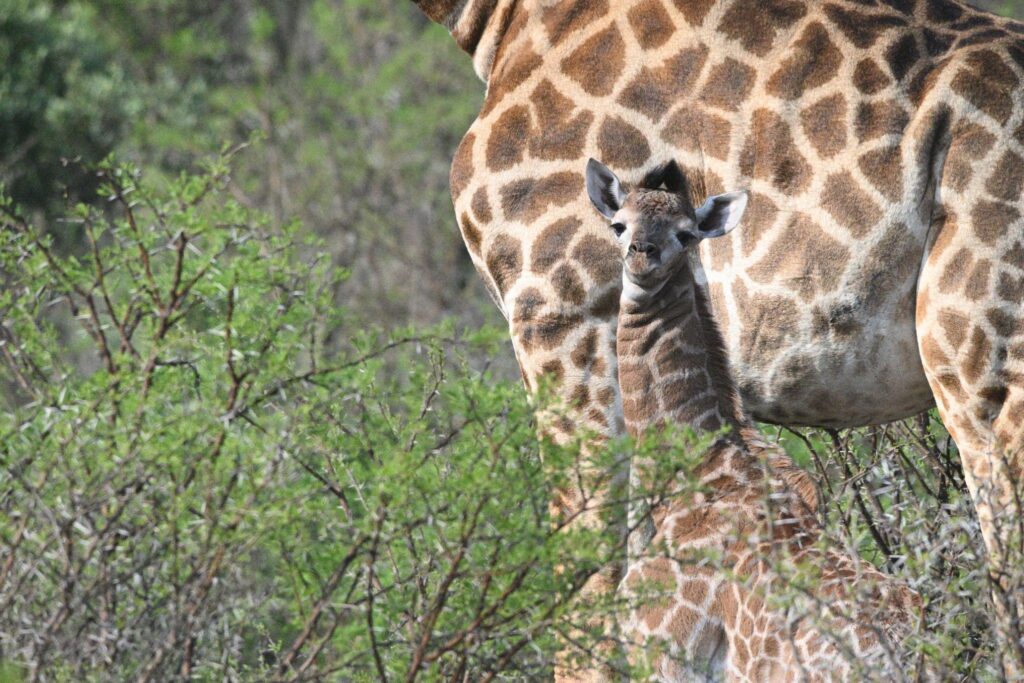
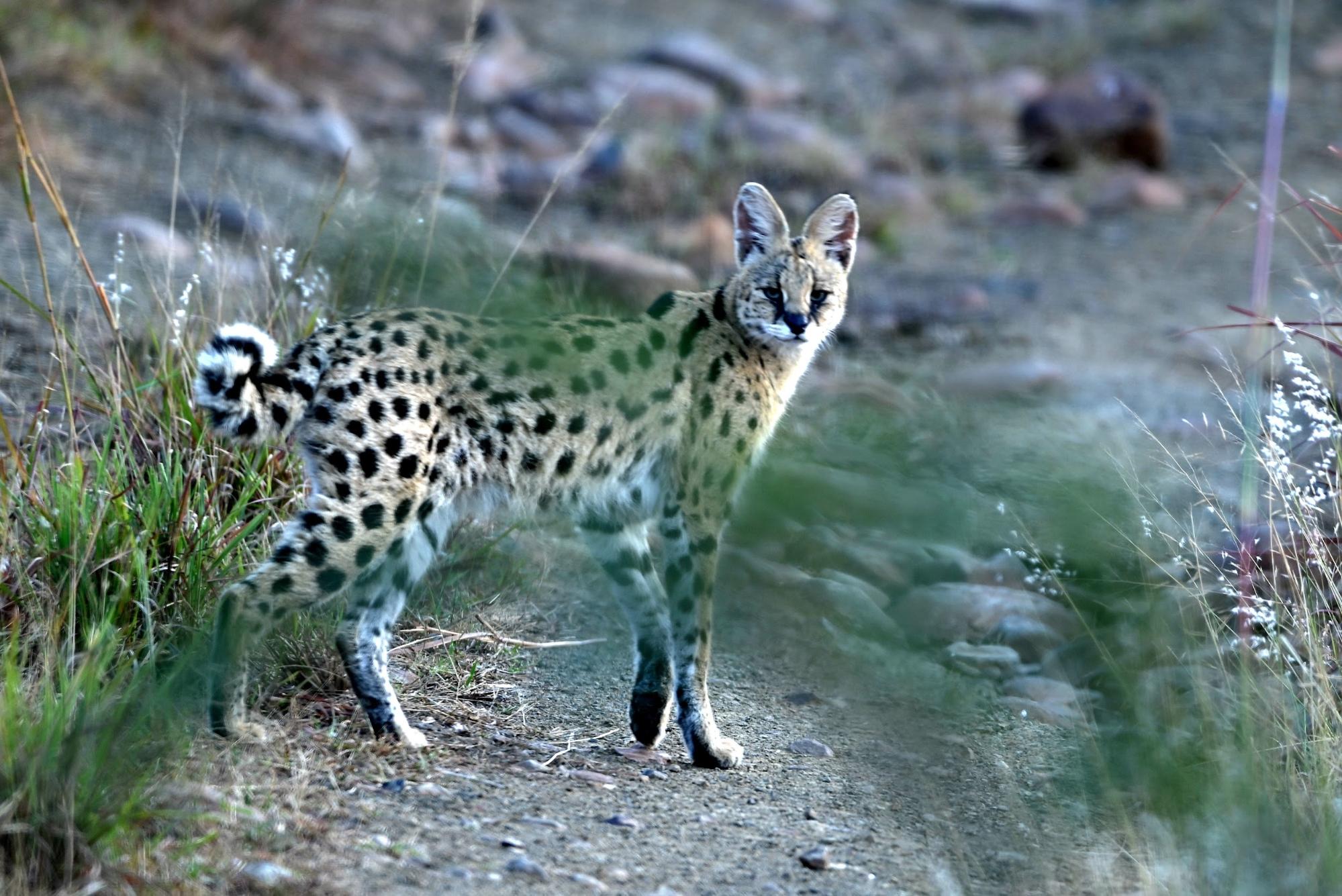
It hasn’t only been about the main characters this month! We have experienced big dazzles of zebras in the open grasslands as they graze the new shoots, and when the light shines from behind them it presents you with magnificent photo opportunities. I shared an incredibly unique sighting of a serval with my guests recently which lasted over 30 minutes as we tracked her through the grasses, over the road and into the block. She was on the hunt for dinner and while she was acutely aware of us at all times, she was quite relaxed. On the open plains we have spotted the breeding herd of eland with new calves and quite a few zebra foals moving around in those areas. In the wooded savanna we have seen a couple of new giraffe calves and there is a very young square-lipped rhino calf giving everyone good vibes.

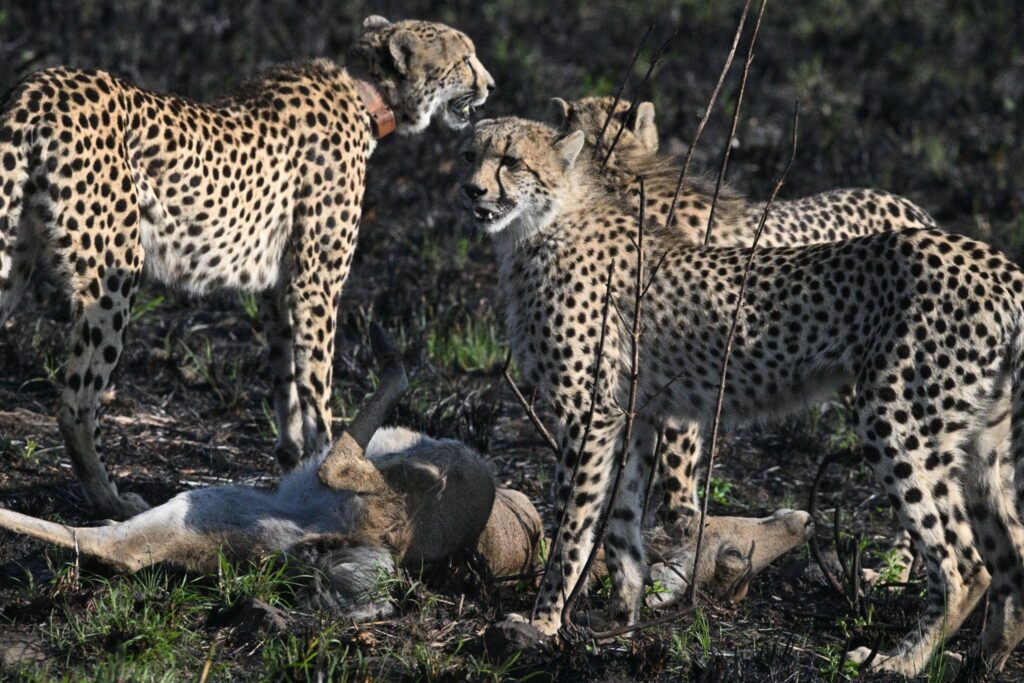
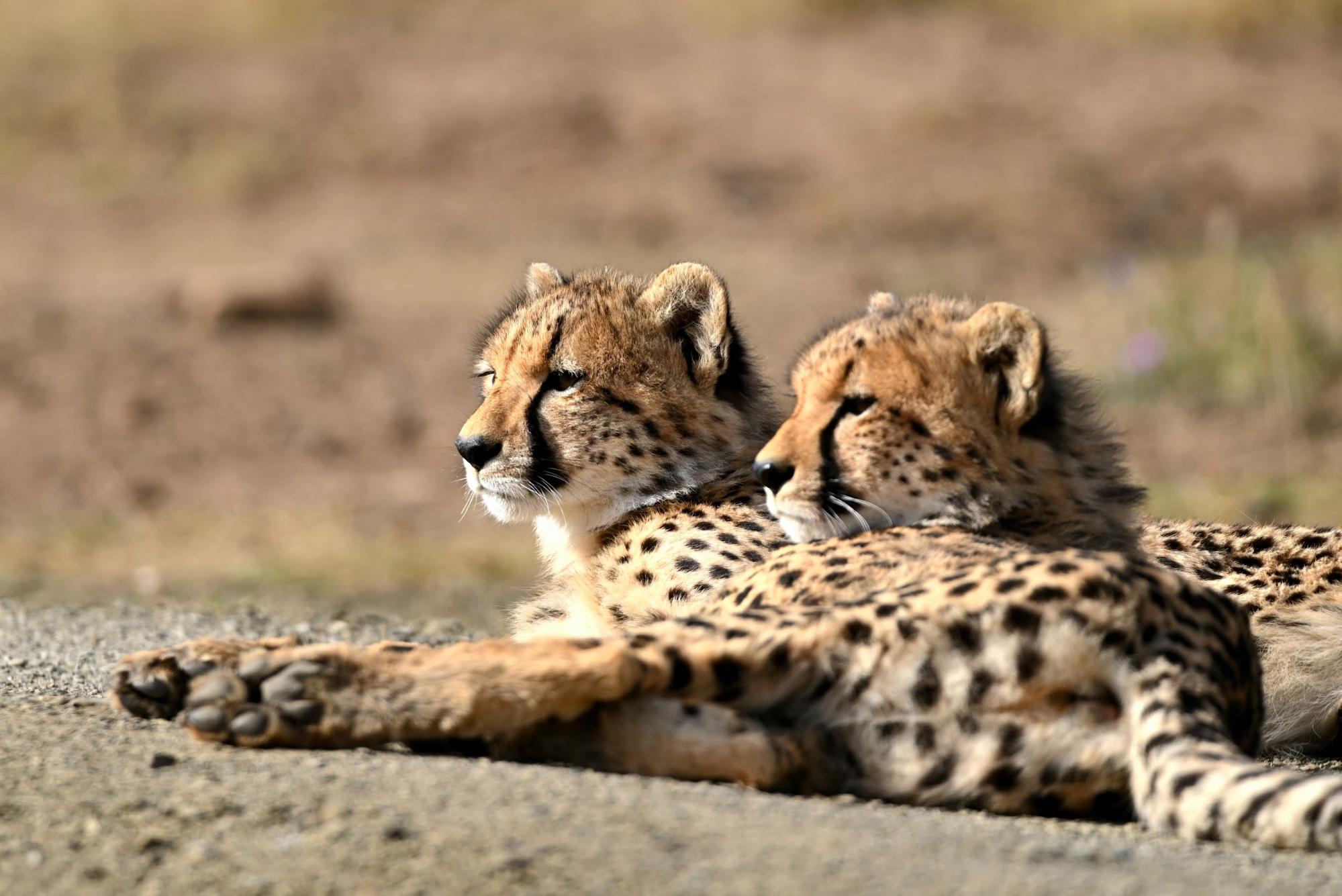
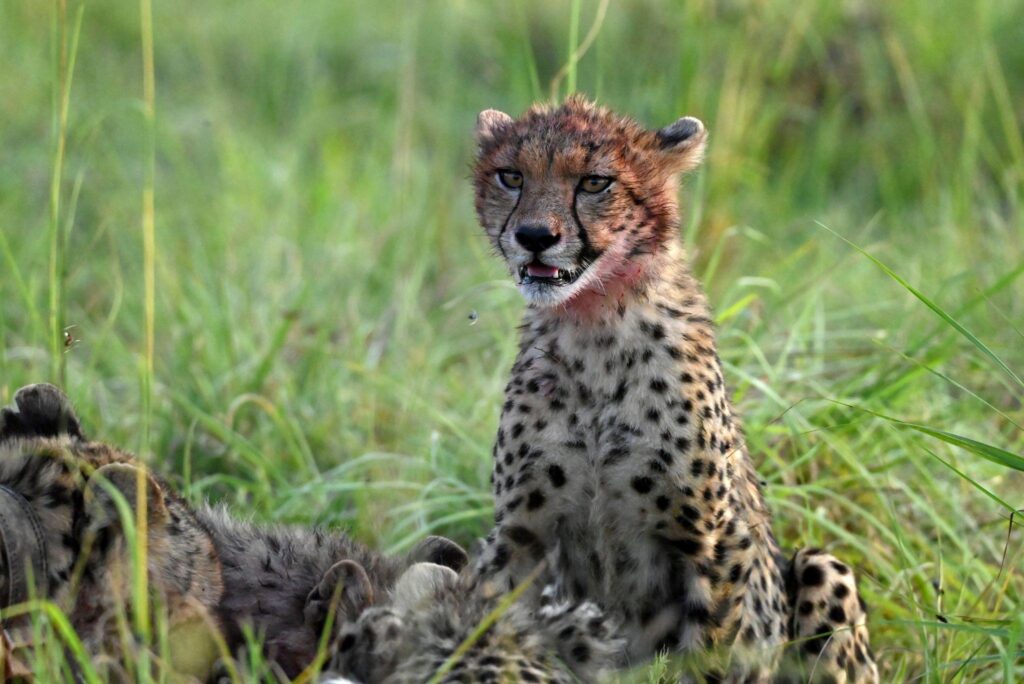
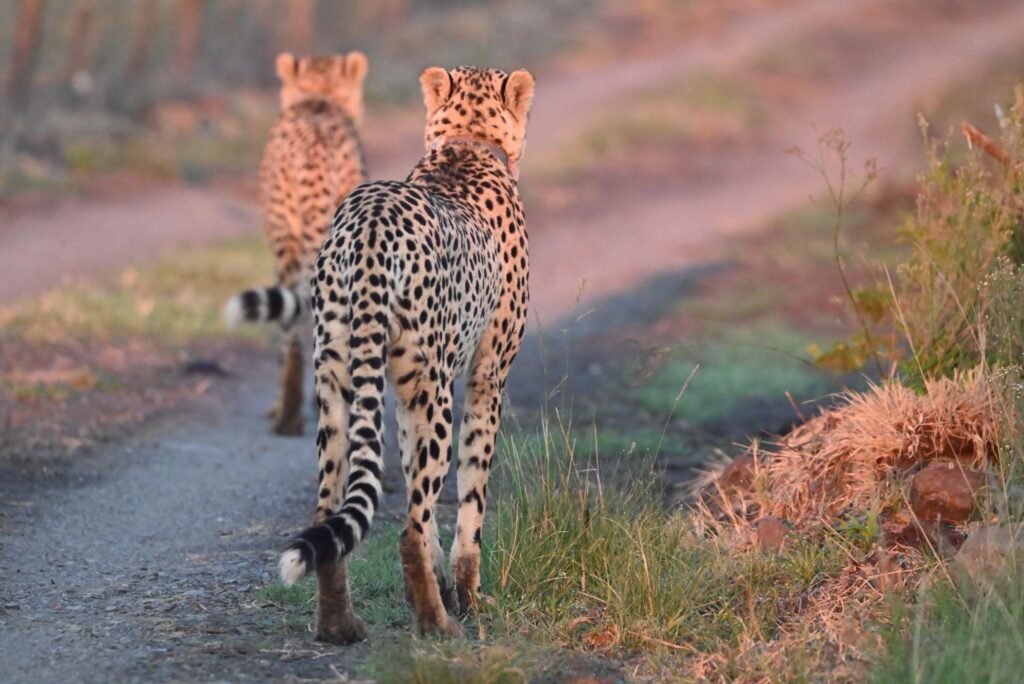
I cannot, in good conscience, not give a quick update on our spotted treasures. The cheetah brothers took down an eland calf towards the end of the month and it was in an open area quite close to the road. They have spent quite a lot of time in the southern and central regions of their territory this month while expertly avoiding all of the big cat drama along the way. Meanwhile, our two cheetah cubs have blessed us with frequent sightings of their high-speed training sessions. Mom looks on as they chase one another through the reeds and the longer grasses, but she also joins in the activities every now and again. They are almost a year old now and are looking more confident with each passing day. We watched them stalking and chasing Helmeted Guineafowls one morning which was both informative and captivating.

The change of season brings with it a change of feathered friends and changes in our sedentary birds as well. The Long-tailed Widowbirds are moving into their eclipse plumage as their tail feathers elongate and their feathers blacken. We have logged a few migratory species already, namely Red-breasted Swallows, Black Kites and Wahlberg’s Eagle. Field Guide Promise reported a Senegal Lapwing a few days ago that was foraging in the firebreak on the western boundary, and I have noticed an increase in Quailfinch and Orange-breasted Waxbills in the same area. Within the next couple of weeks we are expecting to start hearing a few cuckoos, and to possibly see some Temminck’s Courser and the Grey-crowned Cranes!

As the seasons begin to change, we are reminded that windy conditions lie ahead with the
possibility of Spring rains and some cold fronts. Our morning game drives begin at 06:00 and the sunset drives are now beginning at 15:30. Please don’t forget to bring your own bottles with you to help us reduce plastic and paper waste.

See you soon for your next safari adventure! Stay wild!

Head Guide Noleen Turner

Rangers Report – June 2026

Return guests & New Experiences

Our big cats came out to play this month, and gave us some nailbiting moments and epic photographic opportunities. From the newest recruits to the resident legends, the sightings were special and unforgettable. Return guests visited from near and far this month and shared in some intense new experiences that have changed their lives forever.

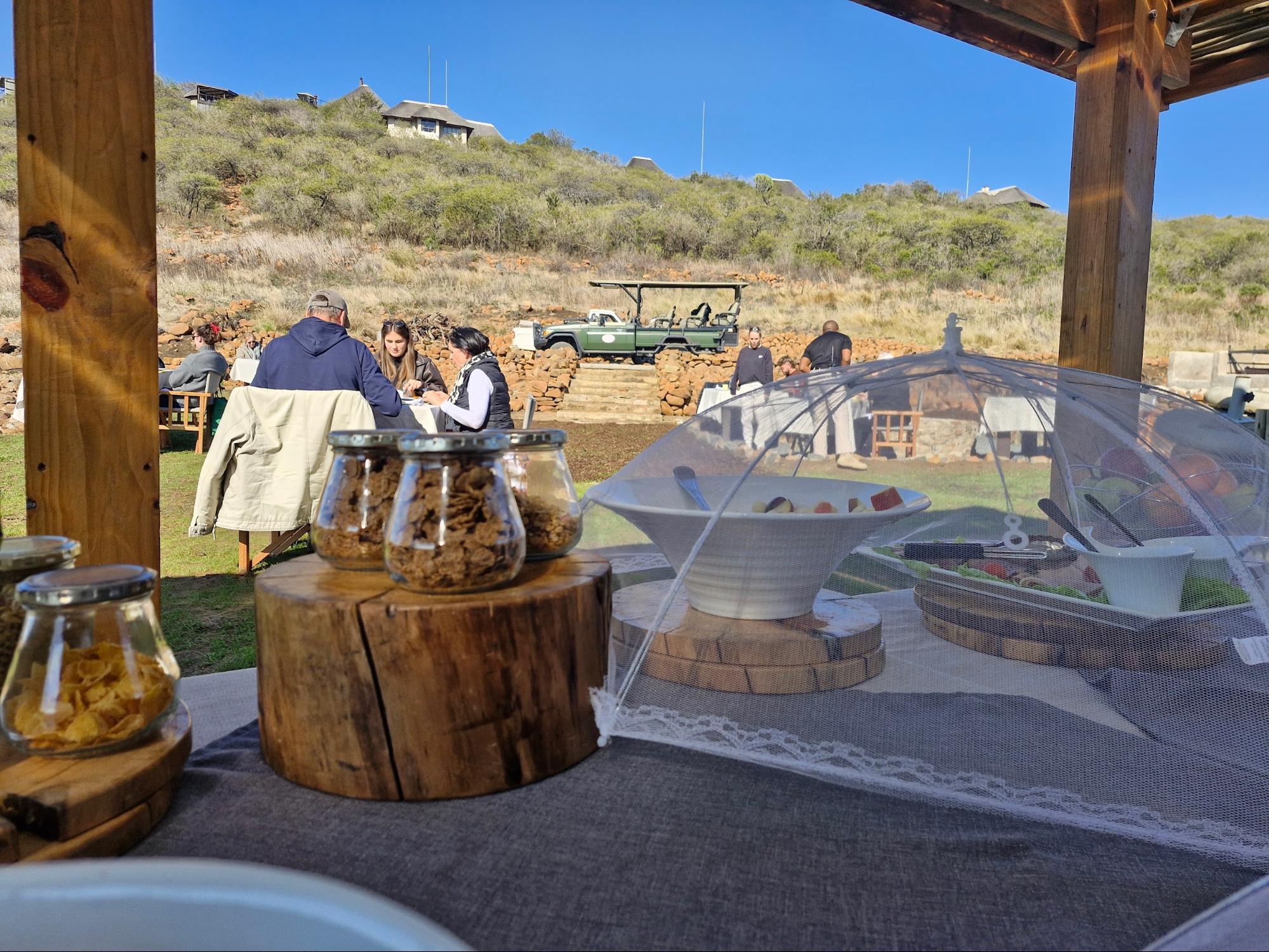
Let’s start this month’s report with some news from around the lodge. The elephant herd spent some time in the south of the reserve and some young bulls ventured down to Hoopoe Dam to check out the new fire pit and test out the steps. They gave them two trunks up and headed into the thicket below Room 5. We hosted a very special wedding at Umzolozolo in June. Vows were exchanged out on the deck and a sensational photoshoot took place across some beautiful locations in the south. Guests have enjoyed a couple of bush breakfasts down at Hoopoe Dam where the mild winter sun has made for a fabulous way to thaw off after a chilly morning safari. Our lodge continues to receive upgrades and improvements; a few of the older chalets are due for revamps and the ambient lighting around the lodge grounds is looking fantastic.

The most significant sighting that field guide Mark and I experienced this month involved the two new male lions. We were conducting our morning safari when lions were called in over the radio. It was the southern lionesses, the dominant male and the two new male lions. They were within a few hundred metres of each other and tensions were running high. Guides reporting from within the sighting indicated that there was a great deal of audio and that the big male was pushing the two males further south. We took a standby and waited for our opportunity. I made my way into the loc a few minutes later to view the lionesses that had gone static on the road. They seemed pretty unaffected by the whole ordeal and posed beautifully for some photos. As I was leaving the females, the big male lion crossed ahead of me and disappeared into the dense acacia thicket. I caught a glimpse of him a few minutes later and assessed that he was in hot pursuit of the younger males in the southern plains. As luck would have it, my instincts were correct. As we observed the two young males’ behaviour, we quickly realised that they were stressed and on high alert. The dominant lion was not prepared to let them go without a warning and a reminder of who is still king of Nambiti. It was exhilarating and very informative. We eventually returned to the lodge with quite the story to tell.

The cheetah brothers featured quite a bit this month as well. They popped up in the south on a number of occasions and even entertained us with one of the zebras that frequently patrol the fenceline. You realise the size difference between the slender cats and the stocky equine when the two species are in close proximity to one another! I must say, as a photographer, the crepuscular hours certainly provide the more perfect conditions for shooting these golden cats. The elephant herd continues to inspire and amaze. They move large distances to find food in the winter months but will also stay in an area for a few days if there is an abundance. We caught up with the herd a few times and also with some of the bulls that are moving around on their own. Our hippo pods are always a treat to view in the winter months. They can be seen sunbathing in the milder conditions on the banks of the dams and on some occasions they are even grazing close to the water’s edge at midday. If you want to get good photos of hippos, winter is definitely the best season to visit.

In the second week of June, our lodge was involved with a dehorning event. The ongoing challenge of rhino poaching continues to ensure that our population needs to be monitored and dehorned on a regular basis. Guests booked in during the event were directly responsible for the sponsorship of the event and their contribution to the protection of the species will never be underestimated. The day was charged with emotion. At times it felt like time had stopped and we were looking in on everything from the outside. At times everything was high-paced, chaotic even and it felt like we were right there feeling all the feels. Being a part of this kind of conservation initiative is life altering; it makes you grateful, it makes you thoughtful, it makes you feel guilty, but it also leaves you humbled and extremely significant within the bigger picture.

Before ending off the report for the month, I have to mention how entertained we have all been by the giraffes! Quite possibly the most quintessential mammal of Africa, these tall wanderers have shown so many of their quirks over the four weeks. We have observed them as they browse the acacias and regurgitate the mouthfuls, as they pick up bones to obtain phosphorus and calcium, as they bend down low to drink water and as they cross over plains and move silently through the dense wooded savanna. There is a newborn calf in the south that still has its umbilical cord, and there are many dominant bulls that can often be seen from various spots around the lodge. Quality time with these iconic mammals is always a treat and if we are really lucky, they will stick around and enjoy a sundowner or an Amarula coffee stop with us!

The cold weather has not been as consistent as we usually expect for June, there have been some frosty mornings, but milder temperatures have also been experienced. Still, we urge you to pack warm jackets, beanies, gloves, buffs and scarves to ward off the cold. Please don’t forget to bring your own bottles with you to help us reduce plastic and paper waste.

See you soon for your next safari adventure! Stay wild! 

Head Guide Noleen Turner

Rangers Report – May 2026

Surprise visits and big news

The month of May continued on from April by putting on the most spectacular display of sunrises and sunsets. It has been a very busy month in many aspects and I have found it challenging to report on the highlights! Anyway, here we go!

Let’s begin with the animal updates! The two remaining cheetah cubs have been blessing us with some wonderful sightings this month. Mum has chosen the southern plains as her base of operations for the last few weeks and we have observed the cubs as they venture out on hunting lessons. The two young male lions from Kwandwe were released onto Nambiti this month. They are exploring the south eastern section of the reserve at the moment, but getting good views of them has been tricky. Our spotted hyenas remain in the boma enclosure for another few weeks. It would seem that one of the females gave birth to some cubs and this will extend their time in quarantine to protect their chances of survival. We have managed to catch a glimpse of them from strategic viewing points that provide a long distance vantage point for sneak peaks. The youngest cheetah mum and her male cub have gone their separate ways. To protect the young male, reserve management has placed him in a boma and he will soon be translocated to a safer environment. The hyenas are not the only ones who welcomed new additions, our alpha wild dog has also given birth to a litter of pups. The den site location is expertly hidden from the road and we await the first sighting of the pups with much anticipation! With so much going on, there is still more to be excited about with the increase in leopard sightings around our lodge and in the south.

This next part of the report is going to highlight some interesting behaviours that we have observed while out on game drive during the month of May. May temperatures have been typical of the winter in that the mornings and evenings are icy cold and the middle of the day is mild and warm. At the beginning of the month, we had a strange afternoon with thunder, lightning and a burst of heavy rain. I was with the herd of elephants at Elephant Rock Dam as the weird weather descended on us. When the entire herd climbed into the dam to enjoy the water, we watched the raindrops bounce off the surface as the sunset colours lit up the scene. It was rather magical and I was in no hurry to leave!

With the mother and two cubs spending more time down in the south, they have had the attention of the two males more frequently than usual. It is well documented that male lions will kill the cubs of a rival male to ensure that their genetic line dominates, however, that is not necessarily the same for cheetahs. On an afternoon drive, we observed how aggressive and protective the female behaved in response to having the two males so close to her and the cubs. She isn’t likely to want to mate while the cubs are still so dependent on her, so she has to demonstrate a more hostile reluctance to ward off their advances. At one point the one cub got too close and received a dismissive swat from the male. It was a tense moment, but things settled down shortly after.

We are acutely aware of the fact that we have leopard activity around the lodge. From time to time we can hear their rasping call in the dark, and we have found tracks on the roads surrounding us. Field guide Promise was returning from an afternoon game drive when he caught the first footage of a leopard moving in the open patch to the west of our access road. It was a fleeting moment, but the big cat was mobile towards the lodge! Our trail camera also captured the same leopard strolling past our access sign at around 02:25am! I was returning home from a morning game drive, fashionably late as usual, when I spotted a big cat on the road in front of us. My initial thought was that we had finally located one of the lionesses! Almost within that very same thought, I uttered these words, “no, no, that’s a leopard”. There, only a few metres ahead, walked a big male leopard! What was even more remarkable was that we tracked and followed him for almost 15 minutes as he closed in on a herd of impalas.

The action in the southern region of Nambiti continued throughout the month. Witnessing a kill is a rare sighting, but two on one day is almost unheard of! We headed out on sunrise safari and soon realised that the day had something magical in store for us. The two cheetah brothers stepped out into the road in front of us as we were driving towards the southern carpark. I called the sighting in on the radio and usually other guides respond quite quickly to join the loc. When this wasn’t the case, it dawned on me that something else must be hogging their attention. It became clear what that something was when my cheetah sighting merged with a lion sighting! Having these two species in such close proximity to one another is almost intense. Our situation got even more unusual when the lioness burst forth out of the long grass and pinned down a large warthog! It took her quite some time to make the kill, but she and her sister eventually carried it off into the thicket. We were not the only ones who witnessed the whole event, the cheetahs saw it too, and they quickly used the distraction to make a hasty exit. Having returned to the lodge for breakfast, I was driving down to my house when I caught a glimpse of the same two cheetahs dropping down off Hippo Dam wall towards an unsuspecting nyala and her lamb. I made my way closer and took up a position on Woodlands Dam wall to watch everything unfold. The antelope left the safety of the water’s edge and moved out into the open. This was all the cheetahs needed and they exploded into action. A few strides later, the nyala lamb was in the jaws of a cheetah and the boys settled under a tree to enjoy their quarry. Over in seconds, but the memory will last forever!

We have enjoyed cheetahs in the mist, lions in the golden sun, elephants at dusk, wild dogs in the moonlight, a serval in the long grass, giraffes at sundowners, and hippo roadblocks! May has been a-May-zing! Autumn birding isn’t usually considered a fruitful season, but I have logged 164 species on the reserve. Some of the big highlights include African Fish Eagles displaying up at Cascades, Grey Crowned Cranes on the southern plains, a Mountain Wheatear on carpark highrise, a rare Greater Kestrel on Python Lane, an African Marsh Harrier around Links Dam, a juvenile Black Crake at Weaver Dam, a European Honey Buzzard at Twin Dam, a flock of White Storks at Mnandi’s Reservoir, and a Tawny Eagle scoping out a cheetah kill at Mushroom Crossing.

Things have been busy around the lodge, too! We hosted some digital creators (Tay-Tay and the Tantalising Twins!) who spent a few days capturing footage of our beautiful lodge. The floors in the main lodge got a makeover and it has really elevated the space. A new staff accommodation block is being built and the area around Hoopoe Dam is also undergoing some upgrades. We have also hosted a few sundowners, bush dinners and breakfasts down at the dam.

Chilly weather persists and things will only continue to get colder as we move into winter. Remember to pack warm jackets, beanies, gloves and scarves to ward off the cold, and to bring your own bottles with you to help us reduce plastic and paper waste.

See you soon for your next safari adventure! Stay wild! 

Head Guide Noleen Turner