Author Archives: firetreeadmin

September Ranger’s Report

An Unforgettable September – From Snowy Safaris to Wild Dog Reintroductions

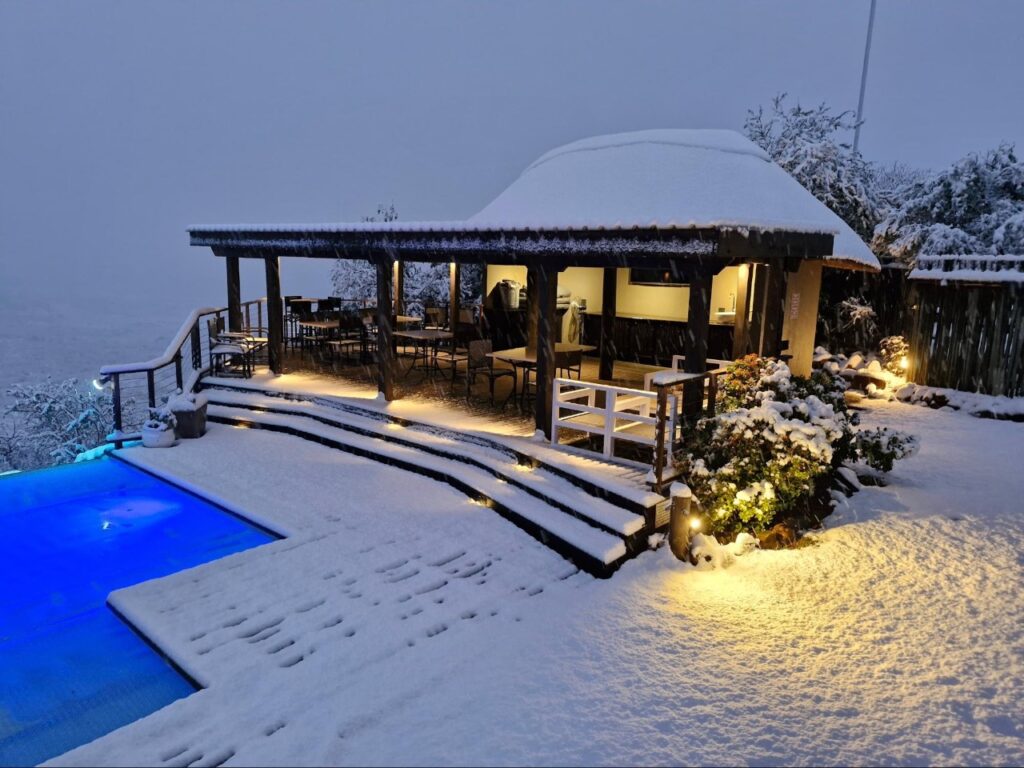
Wow! How do I begin to tell you what September has been like? Well, I suppose it would be appropriate to describe a game drive in the snow! Yes, you read correctly. Snow! On the 21st of September Nambiti Game Reserve received around 58 cm of snow. Snow started falling in the early hours of the morning and by the time we all woke up to start the day, the entire reserve was covered in snow. Deep, white snow. The landscape was completely transformed like never before. Not wanting to miss out on the occasion, a few of us braved the freezing conditions and headed out for a morning game drive. Viewing animals and birds in the snow was surreal. It was an unforgettable experience for guides and guests alike. Snowflakes floated by and left us mesmerised and bewildered. We even built a snowman at the lodge!

The snow soon melted away. Dam levels rose, rivers flowed and grass began to grow. Many weaker animals didn’t survive the icy, wet conditions. There was certainly a dark side to the white wonderland.

The month of September was historic for more than record-breaking snowfall. Three African Wild Dogs were released onto our reserve for the second time in our history. They have been closely monitored and continue to explore the south. Guests have been spoiled with amazing views of the newcomers. These carnivores are critically endangered, and we are delighted to be a part of their conservation.

Ostriches and Secretarybirds have been keeping us entertained. The flightless Ostrich males have been displaying their courtship routines with the loud roar-like call being heard on the plains. The charismatic Secretarybirds have been selecting nesting sites and avoiding the mobbing behaviour of the lapwings as they forage in the burnt patches in the west.

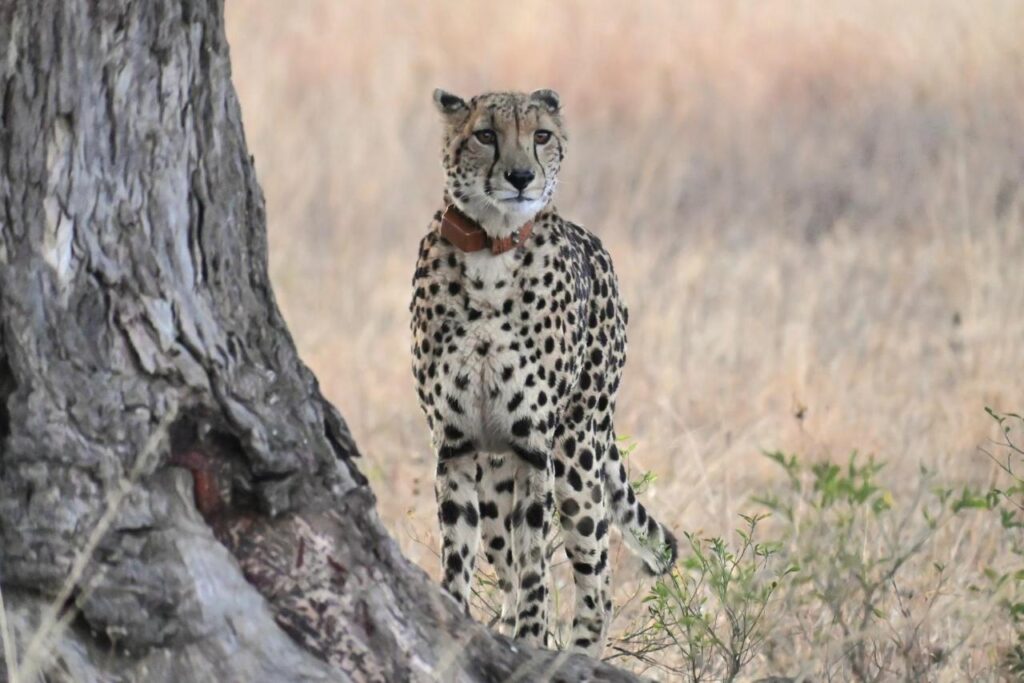
Besides the obvious excitement around the Wild Dogs, our Cheetahs have been in the forefront of some epic sightings! The brothers took down a young Blue Wildebeest close to the southern carpark, and our oldest female killed an Impala. Both sightings were intense and bloody.

With what happened in September, one can only imagine what lies in store for us as we head into the last quarter of 2024. Hope to see you soon!

Head Guide Noleen Turner
August Ranger’s Report

Au-GUST is the month of strong winds and dust!

It became abundantly clear on game drives as to why this month is called Au-GUST. Strong winds battered the game reserve on many occasions. Grasses resembled ocean waves, birds experienced new speed records and many mammals hunkered down to avoid exerting extra energy to remain standing in the blustery conditions. However, once the dust settled, we could sit back and appreciate the excellent sightings August had to offer.

Some quick updates on our new additions to the reserve. We had a few wonderful moments with the two female cheetahs that were released at the end of June. Both have been hunting successfully and navigating their way around the reserve and its other carnivorous characters. They have two full months ‘under their belts’ and seem to be settling in nicely. The elephant calf, which is only about a month old, has had a busy month learning the topography of Nambiti while the matriarch led the herd from north to south and back a few times in August. We caught up with the newcomer close to Umzolozolo Lodge recently and its little legs were looking a bit wobbly after a long journey.

Something that has been a real feature this month is the frequency and quality of Grey (Common) Duiker sightings. These solitary foragers are usually quite skittish and duck into the thickets at the slightest bit of attention. In many areas, the thickets have thinned out and this feature has presented us with numerous moments where we can observe and share about these shy antelope.

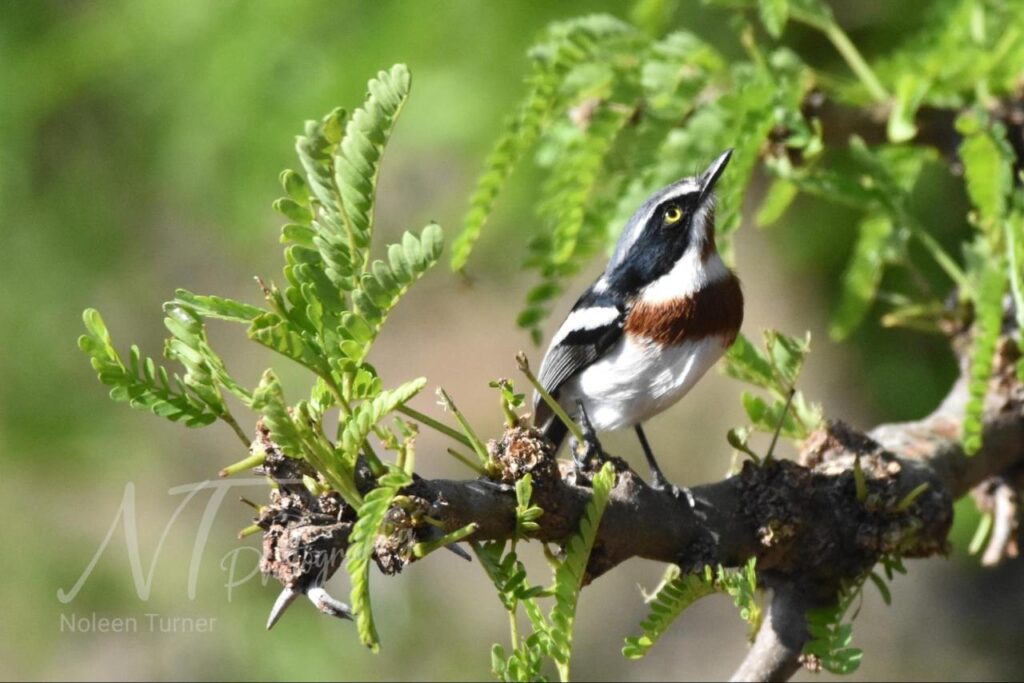
August has been a fantastic month for birding. Nine Blue Cranes were spotted on the western plains in a burnt patch under the power lines, Lanner Falcons have selected their nesting sites and have been seen interacting with each other in the surrounding valleys, male Long-tailed Widowbirds are beginning to grow their breeding plumage, and Marsh Owls have been seen flying low above the tall grasses. Close to the lodge, we have spotted Chinspot Batis’ displaying, and Chestnut-vented Warbler are more vocal.

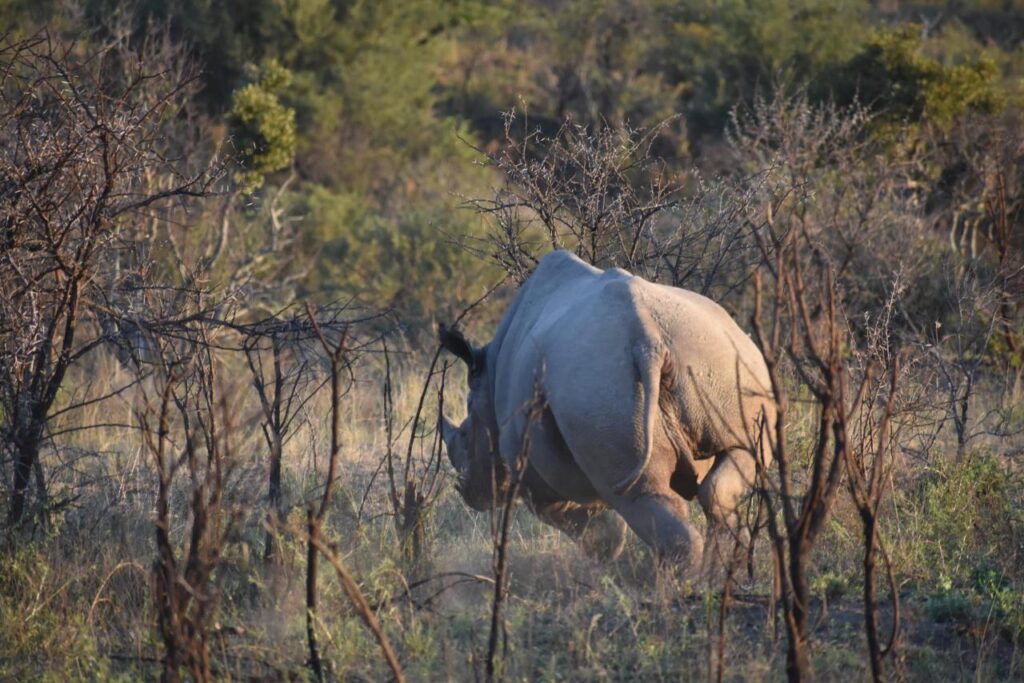
Over the past few weeks, there have been some conservation and reserve management events involving helicopters and friends of Nambiti. With a few more Rhinos needing to be dehorned and various game numbers needing to be managed, we have hosted ecologists, conservationists, veterinarians and students from all around the world. It has made special moments with Square-lipped or Hook-lipped rhinos even more cherished.

Down at Hoopoe Dam, we hosted our first bush braai under the stars. Guests were seated around a roaring fire while the chefs prepared a traditional South African braai. The delicious smells drifted between guests as drinks flowed and stories were shared. It was a beautiful night at a wonderful venue with tasty food and excellent company.

With Spring just around the corner, game drive times have changed and the weather is warming up throughout the day. Mornings are still a little chilly but the evenings are magical.

Hope to see you soon!

Head Guide Noleen Turner

July Ranger’s Report

Exciting updates as our mammal family grows!

Well, if you have been following Nambiti on social media, you will know that our mammal family is growing!

At the end of June, two female cheetahs were released onto the reserve from the boma. Grandmother and granddaughter started off exploring together for the first few weeks. They have since separated from each other, which is completely normal, and sightings of them continue to bring guests and guides much joy. It is our hope that these new females will thrive and one day we may have a litter of cubs to celebrate as well.

One of our young elephant cows surprised everybody when she gave birth to a calf quite recently. Lymon was one of the first field guides to view the new addition. Since that first sighting, it has been on everyone’s wishlist. The herd is on high alert with such a tiny newcomer walking around, but every now and again we catch a glimpse.

The most recent big news is the arrival of three wild dogs on Nambiti. They are currently getting used to their new home in a fenced off enclosure (boma). It will be quite a number of months before we are able to view them out on game drive, but it will absolutely be worth the wait. The reserve will give updates on social media, and we will keep you posted in the monthly Ranger Report!

The smell of charred earth, the sound of crackling flames, and the sight of smokey horizons signal the fire season. Fire breaks and controlled block burning continues during the colder months. This is done, in part, to protect our land from wildfires and to rejuvenate grasslands for the spring rains. The blackened earth offsets the warm grass tones, the grey tree tops and the pops of green from a few tree species that offer leafy forage. On certain rocky hillsides in the valleys, aloes host the main splash of colour in the winter months which attract a number of bird species seeking the sweet nectar.

While the morning temperatures remain chilly, the spectacular sunrise moments bring wonderful photograph opportunities and the promise of mild warmth to come. It is a beautiful time to visit the reserve and immerse yourself in the sights and sounds of the bush. As overseas visitors have expressed more times than I can count, South Africans are truly blessed to be able to escape to these wild places that are a few hours away from bustling cities, to recharge and relax.

Look out for all the updates in the next couple of Ranger Reports.

Head Guide Noleen Turner

June Ranger’s Report

Our Black Rhino Population Continues to Grow as our Fight for their Protection Succeeds

Nambiti Game Reserve is part of the Black Rhino Range Expansion Project (BRREP) with the WWF. The population of black rhino in South Africa is now around 2000, and there was a 4.2% increase in their population across protected areas within Africa in 2023. Encountering one of these beautiful creatures on safari is always a life changing experience. It is difficult to describe all of the emotions that you go though, but it leaves you thankful and blessed. As the population of black rhino continues to grow on Nambiti, we will need to ensure their survival by protecting them from poachers. One of the ways that we are doing this is by removing their horns. It is truly a tragic necessity.

At the beginning of June we had some bizarre weather. We had about 16mm of rain during a thunderstorm that brought two waves of hail along with it.

If you are visiting us during the winter months, bring warm jackets, long pants, thick socks, scarves and beanies. The mornings are frigid, days are warm and evenings are cool. The influence of the wind chill factor cannot be underestimated. Fortunately, the weather has no negative effect on game viewing, animals still have to eat and patrol their territories.

We hosted a bush breakfast down at the dam this month. The mild winter temperatures are perfect for breakfast under partly cloudy skies. Our bush breakfast site is looking fantastic and will soon be fully functional for any time of the day.

Game viewing highlights during the month of June are dominated by Zebras and Hippos! The reserve has begun burning fire breaks which creates a charred backdrop for the black and white combo to bedazzle. As the Zebras move into the area, they graze the burnt grasses to obtain carbon.

With the gentle winter sun and the freezing water, our resident Hippos can be found sunning themselves alongside the dams throughout the warmer hours of the day. This is a seasonal perk and it provides for some fabulous photographs and memorable sightings.

Some exciting news for our game reserve is that our Nambiti mammal family is growing. Look out for all the details in the next couple of Ranger Reports.

Head Guide Noleen Turner

May Ranger’s Report

Elephants at the dam, Lions on the hunt, and Bush Breakfast is nearly served!

Two of the most popular Big 5 species have certainly stolen the limelight in the month of May. Guests who have joined me personally on safari may say that I am biassed as the two contenders happen to be my favourites here at Nambiti, but I will let you be the judge!

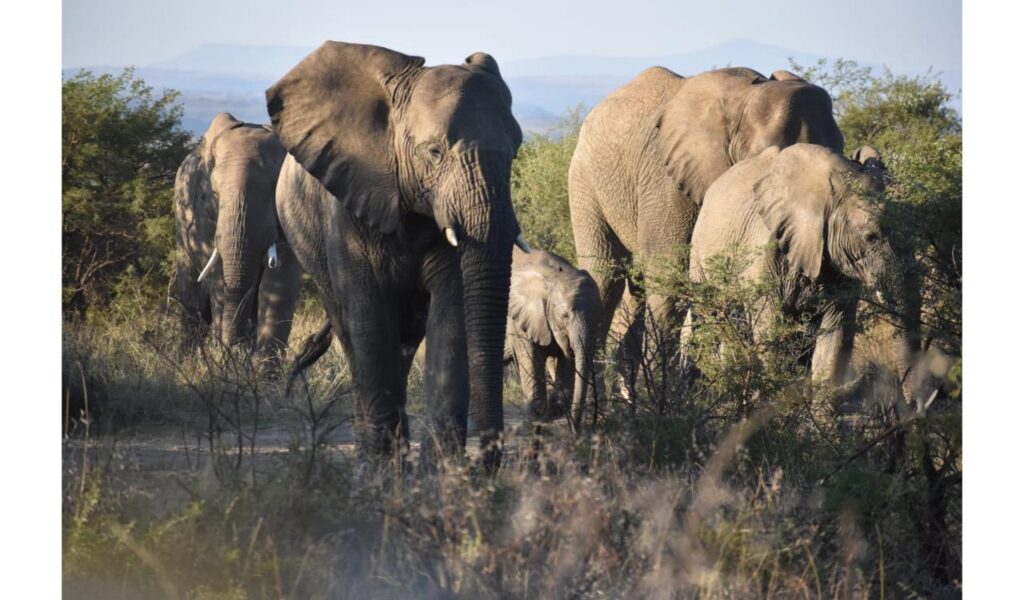
Our elephants spoiled us rotten for most of May by spending time in the south. One of their more memorable sightings took place at one of the dams. The herd moved down towards the water and proceeded to drink and splash for a good few minutes. They also visited us at Umzolozolo on a few occasions. Guests thoroughly enjoyed watching them from the deck at the lodge while they tucked into breakfast. The young bulls could be seen pushing each other and testing their skills in combat, while the newest family members continued to explore their environment and hone their trunk skills.

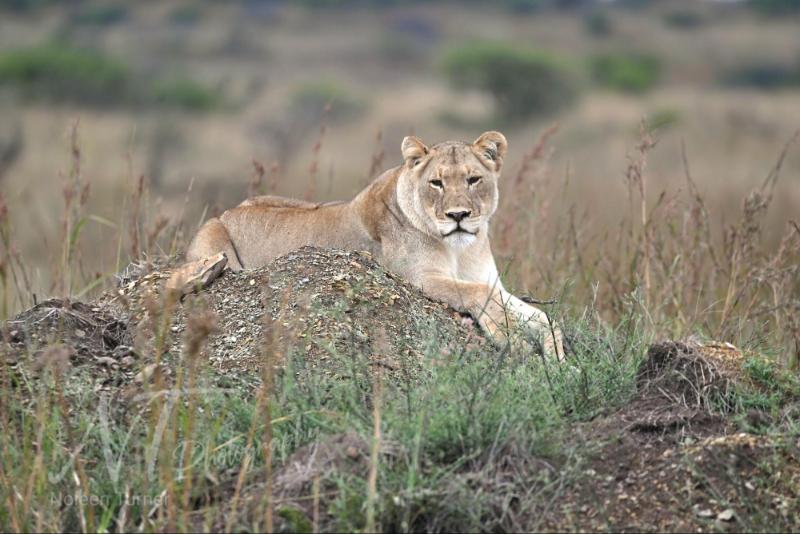
It wasn’t only the pachyderms that popped in for a visit at the lodge. Our southern lionesses and the two dominant male lions ventured down into the south a few times in May, and on one occasion they took a breather on our access road. These big cats are always a treat to see, but the moment is made more special when they stroll onto our lodge grounds and spend a few minutes in our backyard.

One morning game drive, we explored the northern plains while following up on an earlier update regarding the northern lion pride. Details were getting older by the minute, but we pressed on and arrived at a fork in the road. It was then that one of my guests spotted the sub-adult lioness to the left of our cruiser. It became clear that she was in hunt mode, and the scene shifted without warning. Squeals filled the air and we followed the sounds and found a few more pride members. There, a few metres off the road, was a sub-adult male lion with the unfortunate warthog victim fighting for its life. I was soon joined by my colleague, Lymon, and we continued to watch the savage situation play out. The squeals turned to a gargle and then there was only the sound of the feasting. Wow, what an incredible sighting!

Things are happening quickly down at our dam where the bush breakfast hut is being completed. The structure is almost done, and the furniture is being designed and built. It won’t be long before we are entertaining guests at the new site. Maybe it will be you!

Head Guide Noleen Turner
April Ranger’s Report

Upgrades, Wildlife Courtships, and Safari Spectacles

For those of you who have visited us recently, you will have seen the new dam and you may have enjoyed a bush breakfast alongside it. This month we have begun building a wooden deck that juts out to the north of the dam wall. This upgrade will add to the bush breakfast set up and give us an ablution facility. We also have four new spotlights that illuminate the dam so that we can observe nocturnal activities.

Two of our Secretarybird pairs have begun building their nest atop an acacia tree in the south. There has been much courtship taking place and sticks are being gathered to get ready for new chicks. Many of our groundbird species have been spotted with their chicks. The cryptically coloured youngsters are learning key survival strategies like how to find food in herbivore dung!

The tallest land mammals have been our entertainment this month. We have been captivated by their playful sparring, mesmerised by their lanky strides and delighted by the newest members of each aggregation. Sundowners with a tower or journey of giraffes have been such a treat.

Morning drives are certainly colder and the sun is setting much earlier every evening. The impala rams have started their rutting antics, and we are seeing many grimaces of the flehmen variety amongst our mammalian males. The constellation of Orion will soon be dipping out of our night skies as Scorpio takes its place in the winter lineup.

It is absolutely one of the best months to be on safari, and Umzolozolo is undoubtedly the lodge to visit!

Head Guide Noleen Turner

March Ranger’s Report

Elephants, Porcupines, and Predatory Standoffs

Oh the madness of March! Whether it is something in the air or in the water, this month sure has been busy at Umzolozolo.

We have welcomed many guests from beyond the continent of Africa but also enjoyed the company of local visitors who continue to put their trust in our team to deliver a world class safari experience at our piece of heaven on Earth.

Our two White Stinkwood trees that we planted down at our new dam succumbed to the playful attention of two young elephant bulls. They were exploring our bush breakfast site and decided to snap the tree trunks with the utmost of ease. A plastic table was also maimed in the process and some pipes provided them with props to practise their pulling power. They entertained guests with their swimming shenanigans at one of the larger dams nearby, and popped in for a visit at the management house late one evening.

On at least four evening game drives, I was fortunate enough to find porcupines on my way back to camp. The large rodents and a couple of their babies were foraging close to our access road. They are a nocturnal species and with the season changing we are more likely to see them out on drive. Yay!

Most of our migratory birds have left the reserve to embark on their journey north. The Barn Swallows are gathering on transmission lines and the cuckoos have fallen silent.

The most interesting sightings for the month have involved our Tswalu lionesses and the two dominant males. On a morning drive we were watching the cheetah brothers just after they had brought down a young zebra. One cheetah was on the kill and the other was on the fence line. Moments later, the four lions popped up on the horizon and our blood ran cold. Could they see the smaller cats? Would the cheetahs escape in time? Had the lions heard them make the kill?

The encounter unfolded in slow motion, it seemed. The cheetahs could see the big cats and were keeping a low profile. Once the lionesses saw the boys, it was clear that the faster species needed to abandon their breakfast to survive another day. Thankfully. The male lions found the free meal before anything happened to threaten the more endangered cats.

Until next month, happy travels!

Head Guide Noleen Turner

February Ranger’s Report

Displays of Affection and Unforgettable Sightings

With Valentine’s Day on the calendar for the month, I have decided to write about a few mammals that show a lot of physical affection.

Our two cheetah brothers can often be seen grooming one another with long licks and face snuggles. The coalition reaffirms its bond through these displays of affection and it can make for very special photographic moments. We also had our two males spend some time wooing the female this month. She may not have reciprocated their advances, but that was only what we observed. Who knows what happened after sunset 😉

The northern pride of lions can also be seen expressing their love for each other. Whether it is playful tumbles or tender cuddles, these truly sociable cats know how to turn on the cute for guests and guides alike. The pride has been out and about more often this month and we are really loving the sightings.

We cannot allow the cats to have all the fun! Although they may not appear to show as much physical affection, the buffaloes are fiercely protective and united as a herd. They will defend their family against attack to make sure that no bovine is left behind. Even in the face of a pride of lions, the buffaloes never give up on each other.

Think I have left any out? Reach out to us and share your stories of animal love that you may have observed on Nambiti.

Before I sign off for the month of February, I have to share the sighting I loved the most! On a stormy afternoon, I was driving to a favourite drinks stop when a guest inquired about an animal in the distance. My jaw dropped and my heart leapt for joy! Sitting on a rock overlooking the valley was a beautiful leopard. We watched it for almost 15 minutes before it slipped away into the thickets. Such a special moment to share with guests. Such a memorable sighting of our most secretive big cat at Nambiti.

Until next month, happy trails!

Head Guide Noleen Turner

January Ranger’s Report

Culinary Innovations, Wildlife Wonders, and Natural Beauty

The first month of the new year has been phenomenal! We welcomed a familiar face back into the Umzolozolo family with the return of Raymond in the food and beverage department. He has already inspired some culinary changes to old favourites while introducing many delicious new meals on the menu. Lodge staff enjoyed some time off with their families to celebrate Christmas and catch up on rest and relaxation. In other staff news, our Head Chef, Jacob, was named as Employee of the Year for 2023. Congratulations, Jake!

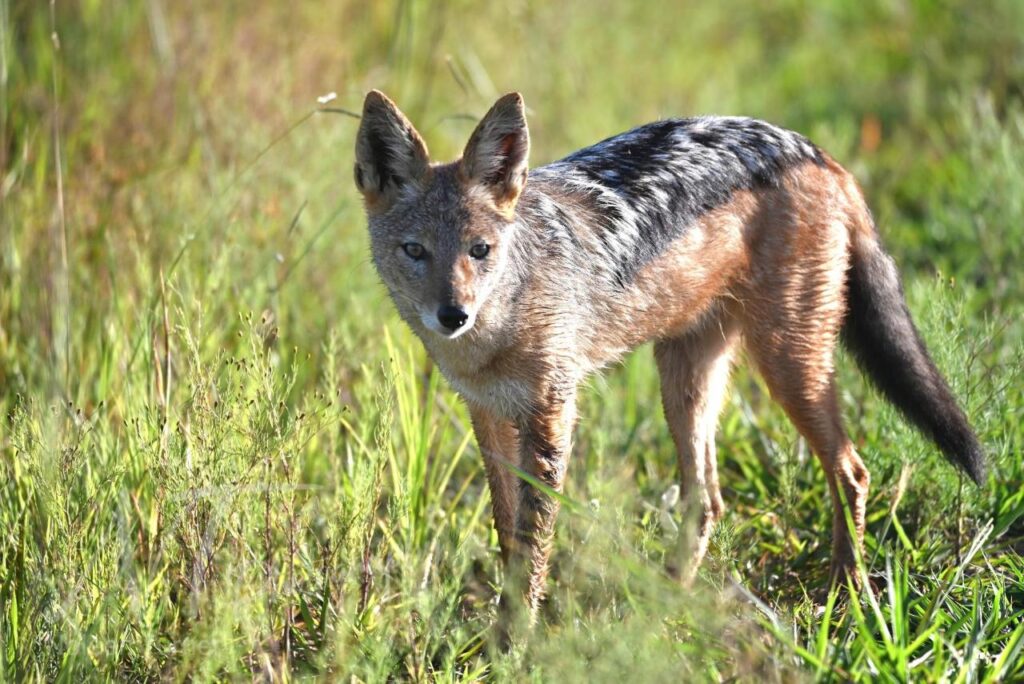
The guiding department has been busy and sightings have been awesome! One of the animals that have stolen our hearts this month has to be the Black-backed Jackals. Most of the mating pairs have had pups and the playful youngsters have been very relaxed around the vehicles. Many guests have aimed their lens in their direction and snapped some remarkable photos in the morning light.

The most entertaining animals out on game drive for me personally have to be the elephants! The newest member of the herd brings smiles and laughter to all who have the fortune of seeing him. He is full of spunk and loves to show how big and strong he is getting. One of the new Tembe elephant bulls has also been stealing the limelight. He spends a lot of time around the herd and gets great satisfaction from sauntering up to the game viewers. I was lucky enough to be in the right place at the right time to see him mating with one of the young cows in the herd. What an experience for both my guests and I. Unforgettable!

Sightings of leopards on the reserve have certainly been on the increase. In January, there were reports of at least four sightings. This is very encouraging news and something that we hope will continue into February!

The Blue Crane juveniles are growing up fast and seem to be building up their flying strength quite nicely. The colourful displays of the Yellow-crowned and Southern Red Bishops have been thoroughly entertaining. An African Fish Eagle has been seen at Woodlands Dam this month on more than a few occasions, and the Namaqua Doves have been spotted in the south.

With all the rain about, there are loads of wild flowers blooming on the reserve. The brightly coloured Red Star Zinnias, the large petals of the Bladder Hibiscus, pops of yellow on the Sweet Thorn trees and the surprise of the Pink Ladies at sunset. Butterflies, dung beetles, dragonflies and CMR beetles are zooting around during the daylight hours while moths and Flap-necked chameleons keep us entertained at sunset.

Cheers until next month!

Head Guide Noleen Turner

December Ranger’s Report

Festivities, New Arrivals, and Nature’s Fury

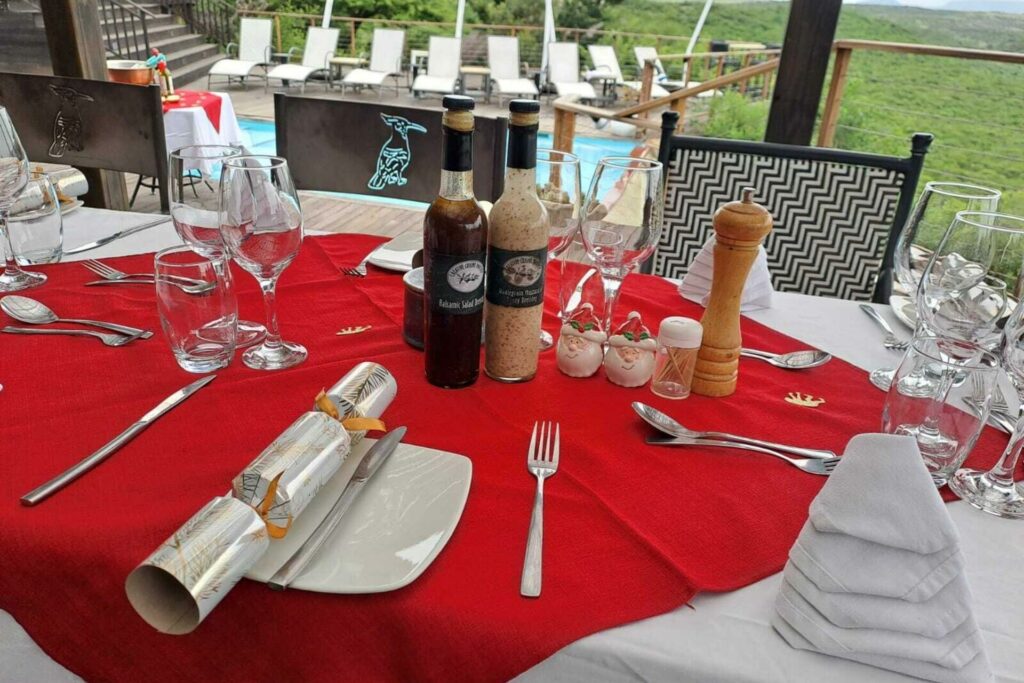
The final month of 2023 is always a festive time, even out in the wilderness. Guides accessorised with funky hats, sparkly tinsel and other Christmas decorations. The lodge was decorated with a subtle elegance plus a little extra on display for Christmas Day. The food that was prepared on the day was absolutely scrumptious, and we all felt the effect of full bellies for the rest of the afternoon. To our surprise and delight, the weather remained stable and we were able to enjoy two wonderful game drives.

In the first week of December, two new Toyota Cruisers were delivered to us. They have new upgrades, some improvements are more comfortable than practical, but they are certainly turning heads. We also received new number plates to use while out on the reserve. Look out for the fleet of Hoopoe safari vehicles cruising around Nambiti.

Sightings have also been quite special. I will highlight a few of the more memorable ones.

Field Guide Lymon captured a live hunt and kill on a morning drive in the south. One of the male lions took down a blue wildebeest calf right in front of the guests. It was both amazing and devastating to watch.

The savage kingdom of the South African savanna was on display this month. Bolts of lightning claimed a few lives, including three giraffes and a young elephant bull. The carcasses have attracted large numbers of vultures onto Nambiti. Mostly White-backed and Cape Vultures have been spotted feeding on the carrion.
I was out on drive one afternoon towards the end of the month acting on some intel from another guide. As I arrived on scene, it was clear that what we were witnessing was both rare and intense. Square-lipped Rhinos were ensuring the survival of the species (if you know what I mean). They have the most protracted mating period of all mammals.

Big Birding Day was held on 2 December across South Africa. Teams register and select their location where they will identify and record birds for 24 hours. Using an app called Birdlasser, you log sightings and the data is uploaded and can be used for research and to update distribution maps. I entered a team in the 6km radius category and we placed 12th overall with 141 species on Nambiti. Some of the more impressive birds that we logged include Temminck’s Courser, Dusky Indigobird, White-bellied Bustard and Black Cuckooshrike.

The December rains have certainly kept things interesting. On one day, the northern lodges recorded 80mm of rain. There was major flooding in Ladysmith which claimed more than a few lives. Roads were wet and muddy, but the surrounding plains have become lush and the herbivores are completely satiated. I wonder what the new year will bring?
Happy New Year everyone!

Head Guide Noleen Turner